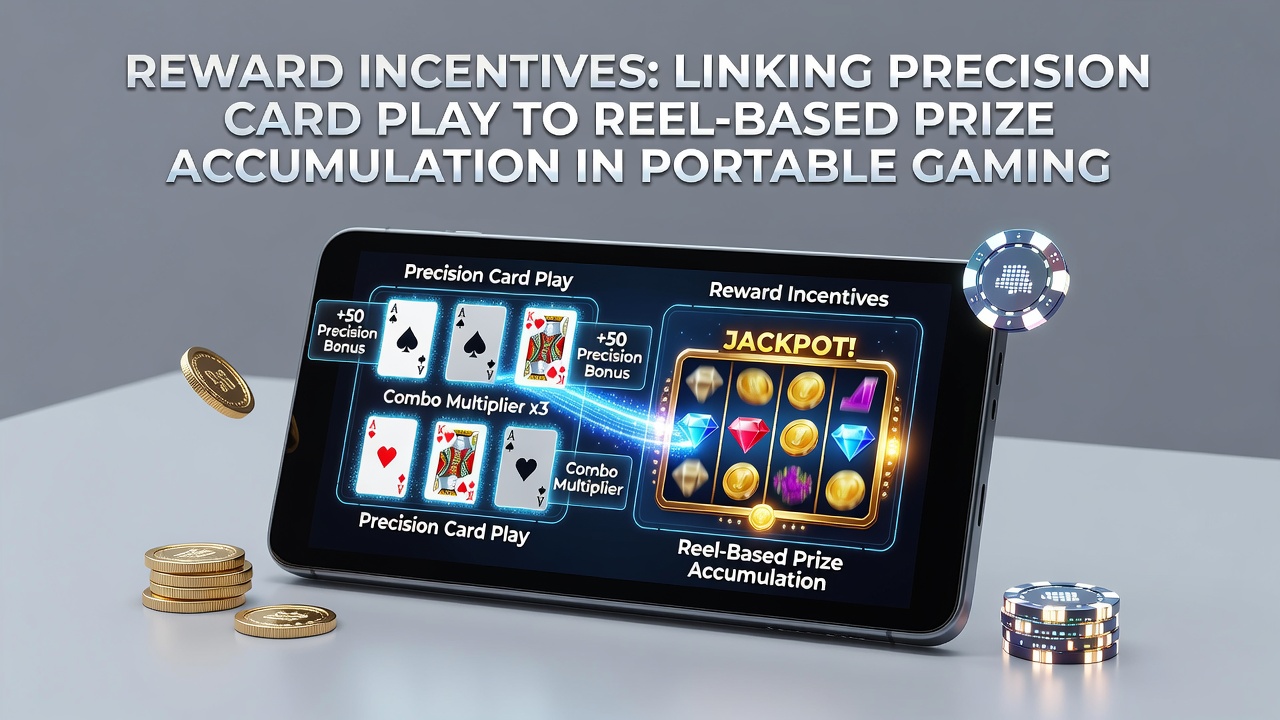
Connecting Strategic Card Decisions to Reel Prize Builds via Rewards in Mobile Gaming
Portable gaming platforms have developed systems where reward incentives create direct pathways between precise card decisions and the gradual buildup of prizes through reel mechanics, and these connections operate through layered loyalty structures that track activity across both formats in real time.
Mechanics of Cross-Format Incentive Programs
Precision card play involves calculated choices based on probabilities and game rules while reel-based accumulation relies on repeated spins that add to progressive meters or bonus pools, yet incentive programs merge these by awarding points or credits that transfer between the two activities when players meet specific thresholds.
Data from industry reports shows that many mobile applications assign equivalent value to skilled table decisions and volume-based reel engagement, which means a sequence of optimal blackjack moves can unlock multipliers that apply directly to subsequent slot sessions, and this linkage encourages sustained participation without requiring separate accounts for each game type.
Role of Portable Formats in Reward Integration
Handheld devices enable seamless switching between card interfaces and reel displays through unified wallets and progress trackers, so users maintain momentum from one format to the other while the system logs every action for reward calculations. In August 2026 platform updates introduced enhanced synchronization features that reduced latency in point transfers, allowing rewards earned during card rounds to appear instantly in reel balance displays.
Research from the International Gaming Institute at the University of Nevada indicates that such integrations increase session durations across both game categories because the incentive layers provide immediate feedback loops that reinforce continued play patterns.
Examples of Incentive Structures in Practice
One common structure awards tiered status levels based on combined activity metrics where card precision contributes through accuracy bonuses and reel accumulation adds through spin volume, and reaching higher tiers unlocks shared benefits such as boosted reel features or protected card hands during live sessions. Observers note that these programs often incorporate daily challenges that blend elements from both, for instance requiring a set number of strategic splits or doubles alongside a target reel spin count to claim a combined prize pool.

Another approach uses progressive jackpots that draw contributions from both card rake and reel wagers, with incentive multipliers applied when players demonstrate consistency in precision moves while advancing reel meters, and this creates measurable pathways where early card success can accelerate later reel prize opportunities.
Data Patterns Across Regions
Figures from the Nevada Gaming Control Board reveal steady growth in cross-format participation metrics through 2025 and into 2026, with portable applications accounting for notable portions of overall reward redemptions that span card and reel categories. Similar patterns appear in reports issued by the Australian Communications and Media Authority, which document how incentive linkages support player retention when regulatory limits affect individual game types.
Those who've examined transaction logs find that reward redemption rates climb when programs allow partial transfers between card-derived points and reel prize accumulations, reducing friction that might otherwise interrupt engagement sequences.
Conclusion
The linkage between precision card play and reel-based prize accumulation through reward incentives continues to shape portable gaming ecosystems by establishing measurable connections that operate across device interfaces and session types. These systems rely on integrated tracking and tiered benefits to maintain activity flows, with updates in mid-2026 further streamlining the processes that convert decisions in one format into advantages in the other.