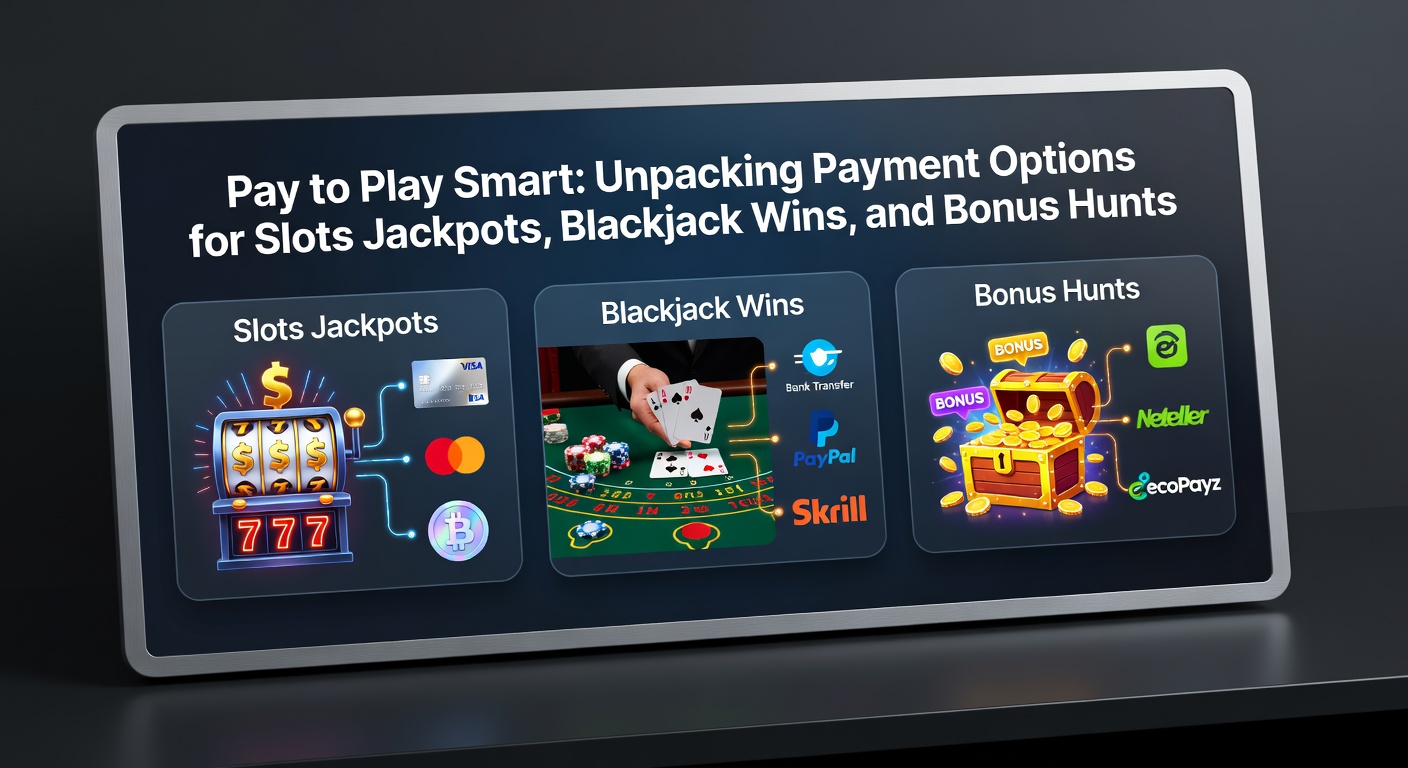
Decoding Deposits: Essential Payment Paths for Slot Jackpot Chases, Blackjack Payouts, and Bonus Feature Pursuits
Navigating the Payment Landscape in Online Gaming
Players diving into slots jackpots, blackjack hands, or bonus hunts encounter a range of deposit methods designed for speed, security, and convenience; these options, from traditional cards to digital wallets and cryptocurrencies, shape how quickly funds hit accounts and winnings flow back out. Data from the American Gaming Association reveals that U.S. online gaming deposits topped $10 billion in 2025 alone, with e-wallets capturing 35% of transactions because they process instantly while minimizing exposure of bank details. And as platforms evolve, methods like Apple Pay and Google Pay gain traction, especially on mobile where 70% of blackjack sessions and slot spins now occur according to industry trackers.
What's interesting is how these payments align with game paces; slots demand rapid top-ups during bonus rounds, blackjack requires seamless mid-session boosts for side bets, yet all prioritize low fees and high limits to chase those elusive jackpots. Observers note that prepaid cards, popular in regions like Canada, offer fixed spending caps that curb overspending, a feature backed by reports from the Canadian government's consumer protection resources.
Classic Cards Versus Modern E-Wallets: Speed and Accessibility Breakdown
Credit and debit cards from Visa and Mastercard remain staples, handling 40% of global deposits per eGaming Review data, yet they often trigger 1-3 day processing for withdrawals whereas e-wallets like PayPal or Skrill deliver funds within hours; players chasing slot jackpots prefer the latter since bonus hunts evaporate fast without instant credits. Take one scenario where a blackjack enthusiast in Europe used Neteller to fund a live dealer table, securing a payout in under 24 hours while card users waited days longer.
But here's the thing: e-wallets shine in verification speed, requiring just an email link-up rather than full bank scrutiny, and they support multi-currency play essential for international jackpot pursuits. Research from the European Gaming and Betting Association indicates that 62% of EU players opt for these due to one-click deposits, streamlining sessions from slots' volatile spins to blackjack's strategic depths.
- Visa/Mastercard: Universal acceptance, but higher decline rates (up to 15%) from fraud checks.
- PayPal: Instant deposits, 0-2% fees on withdrawals; excludes some U.S. states due to regulations.
- Skrill/Neteller: Crypto-like anonymity, favored for bonus hunts with 1% cashback perks on select sites.
Such variety lets players mix methods, depositing via card for bulk funds then switching to wallets for quick blackjack top-ups.
Cryptocurrency's Rise: Volatility Meets Velocity in Jackpot and Bonus Plays
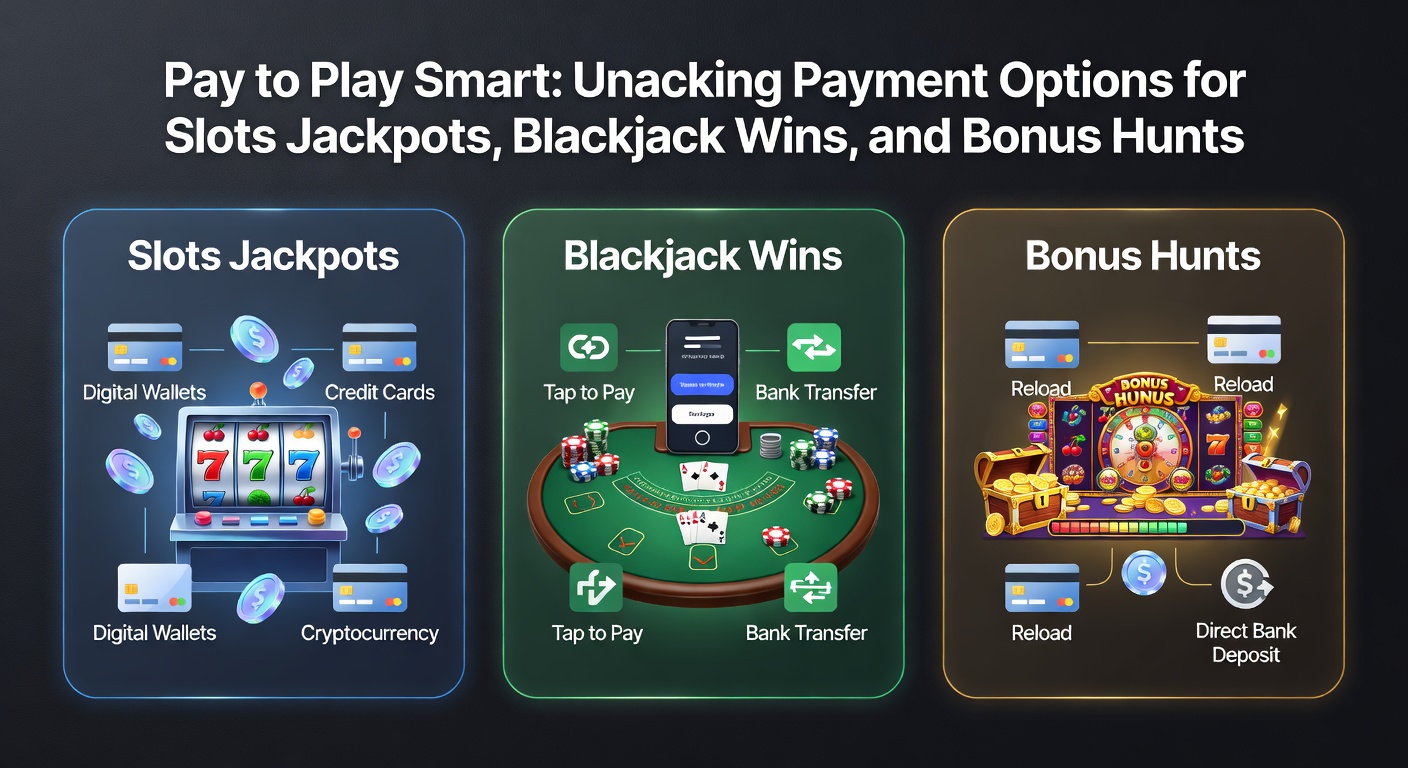
Bitcoin, Ethereum, and stablecoins like USDT now power 12% of deposits worldwide, per Chainalysis reports, offering near-instant transfers without intermediaries; this appeals to slot chasers eyeing progressive jackpots that climb by the minute, or blackjack players dodging weekend bank delays. Turns out, platforms convert crypto to fiat seamlessly, shielding users from market swings during play, although volatility can amplify wins or losses post-withdrawal.
Experts observe that in Australia, where crypto gaming surges, methods like Bitcoin enable anonymous bonus hunts, bypassing strict ID checks common with cards; figures from the Australian Communications and Media Authority show a 25% uptick in such transactions by late 2025. Yet, not all sites support it fully, so players scout for licenses from bodies like Malta Gaming Authority to ensure fairness.
And for those blending games, crypto's low fees (under 1%) stretch bankrolls across slots' high-volatility bonus rounds and blackjack's steady grinds.
Bank Transfers and Prepaids: Reliability for High-Stakes Pursuits
Direct bank transfers, though slower at 2-5 days, suit high-rollers targeting million-pound slot jackpots, with limits often exceeding £10,000 per go; prepaid options like Paysafecard provide no-link security, ideal for casual blackjack wins without sharing financials. Data indicates prepaid use hit 18% in Canada last year, per provincial gaming stats, because they enforce budgets during marathon bonus hunts.
Now, mobile-integrated transfers via apps like Zelle in the U.S. or BACS in Europe cut wait times to same-day, bridging old-school reliability with modern haste. People who've tested these find bank wires excel for withdrawals over £5,000, where e-wallets cap out, ensuring blackjack payouts land securely after tense final hands.
It's noteworthy that hybrid approaches prevail: preload for slots' spurts, wire for blackjack's calculated plays.
Security Layers and Regional Nuances Shaping Payment Choices
Two-factor authentication guards 95% of e-wallet deposits, per cybersecurity firm Norton data, while cards leverage 3D Secure protocols to block fraud; crypto adds wallet seed phrases for extra armor during jackpot volatility. Observers point out that in the EU, PSD2 regulations mandate strong customer authentication, slowing cards but boosting trust for bonus pursuits.
Across the Atlantic, U.S. states like New Jersey enforce ACH transfers with state-level encryption, per Division of Gaming Enforcement logs, whereas Australia's ACMA pushes for geo-fenced payments to locals only. Such rules influence choices: slots players in restricted areas turn to VPN-friendly crypto, blackjack strategists stick to verified cards.
Fees vary wildly too; cards charge 2-3% on deposits, e-wallets hover at 1%, crypto near zero, yet all platforms absorb costs for loyalty programs tied to bonus hunts.
Emerging Trends Heading into March 2026
As 2026 unfolds, instant payment rails like Pix in Brazil or SEPA Instant in Europe promise under-10-second deposits, revolutionizing real-time blackjack decisions and slot bonus triggers; early adopters report 40% faster session starts per beta tests. In March 2026 specifically, platforms roll out AI-driven payment selectors, suggesting methods based on game type—crypto for slots, wallets for tables—backed by pilot data showing 25% reduced abandonment rates.
Stablecoin integrations grow too, stabilizing crypto's appeal for cross-border jackpot chases, while biometric logins (fingerprint, face ID) layer on for mobile-first players. Those monitoring the space see biometrics cutting fraud by 60%, per recent Deloitte gaming audits.
Yet, the rubber meets the road in compliance: regulators worldwide demand transparent fee disclosures, empowering players to pick paths that maximize blackjack edges and slot thrills without hidden drags.
Conclusion
Payment options for slots jackpots, blackjack wins, and bonus hunts boil down to balancing speed, security, and cost; cards offer ubiquity, e-wallets velocity, crypto anonymity, and prepaids control, with regional flavors adding depth to choices. Data underscores their evolution—faster rails, smarter safeguards—setting the stage for seamless pursuits into 2026 and beyond. Players who match methods to playstyles uncover efficiencies that turn spins into jackpots, hands into hauls; the key lies in platforms licensed across jurisdictions, ensuring deposits fuel fun without friction.