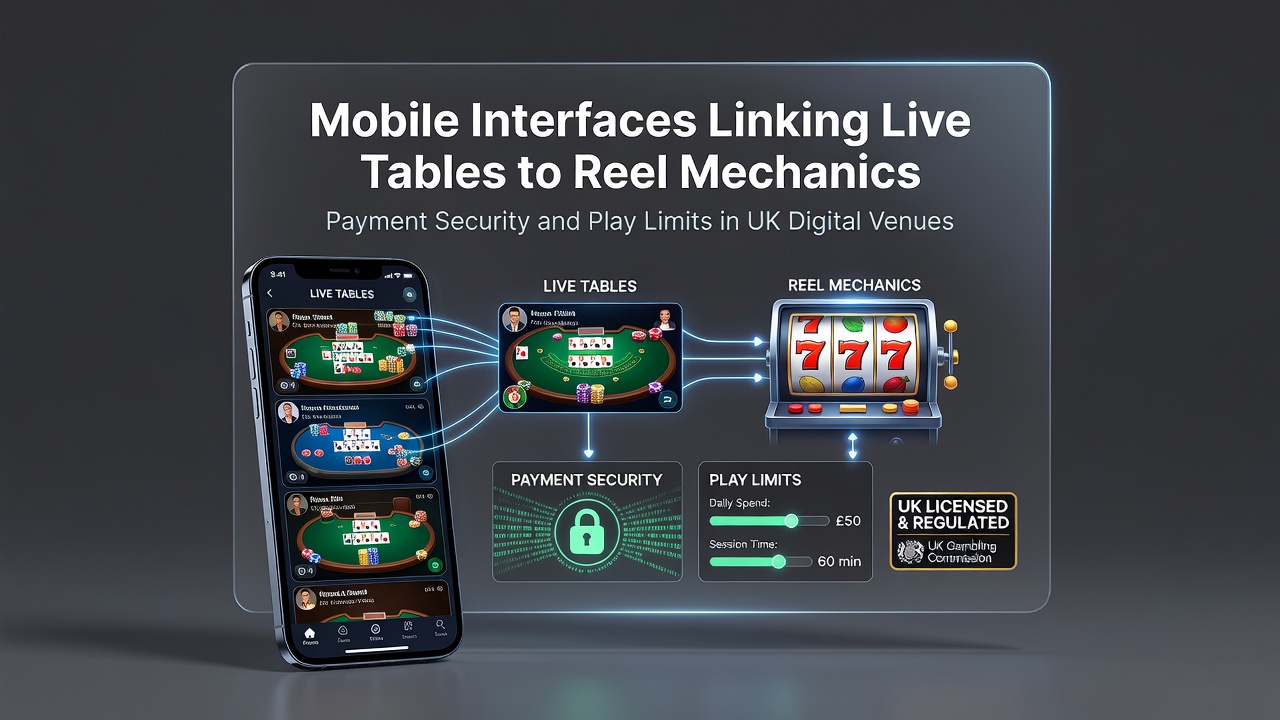
Integrating Mobile Live Gaming with Slot Reels: Secure Transactions and Limit Frameworks in UK Digital Casinos
Digital venues across the UK have developed mobile platforms that connect live dealer tables directly to reel-based mechanics through unified app interfaces, and these systems handle payments plus spending boundaries in coordinated ways. Users switch between blackjack streams and slot sessions while shared account controls manage deposits, withdrawals, and session caps without requiring separate logins or wallets.
Interface Designs That Merge Tables and Reels
Mobile applications now embed live video feeds alongside reel grids so players transition from card decisions to spin sequences in one view, and data synchronization ensures bonus triggers from table performance carry over to slot features automatically. Developers achieved this by building responsive layouts that resize video streams and symbol arrays according to device orientation, while touch gestures control both betting amounts and reel stops simultaneously.
Studies from the University of Nevada Reno indicate that such merged interfaces reduce loading delays between game types by up to 40 percent compared with separate apps, and operators report higher session continuity when users remain inside a single environment. Developers tested these connections extensively before rollout, confirming that real-time data streams from live tables feed directly into reel algorithms without lag or desync issues.
Payment Security Measures Across Linked Systems
Transaction layers in these platforms use tokenization and end-to-end encryption to protect card details and bank transfers whether funds move to a live table or a reel session, and multi-factor authentication applies at deposit points regardless of which mechanic users select next. Digital wallets integrate through APIs that verify balances instantly, allowing seamless top-ups during active play without interrupting video feeds or spin sequences.
Security protocols also include device fingerprinting plus behavioral analytics that flag unusual patterns across both table and reel activity, and these checks operate continuously in the background. Reports from the European Gaming and Betting Association highlight how UK operators adopted these layered protections following industry-wide audits in early 2026, resulting in fewer reported incidents of unauthorized access during cross-mechanic sessions.
Play Limits Embedded in Mobile Frameworks
UK digital venues apply deposit caps, time restrictions, and loss thresholds uniformly across live tables and reel mechanics through centralized account settings, and players adjust these boundaries via in-app menus that affect every linked game type at once. Session reminders appear on screen after preset intervals whether users sit at a dealer table or spin reels, and automated pauses activate when limits near without favoring one mechanic over another.
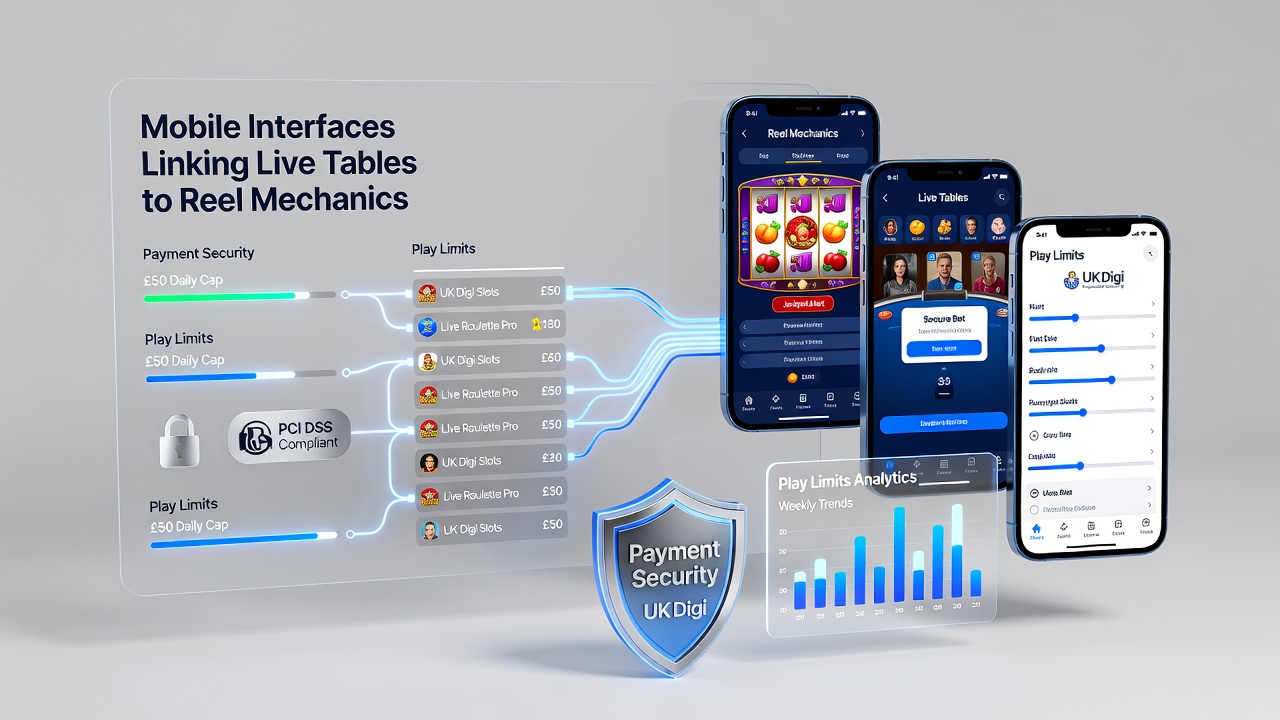
June 2026 brought updates to several major apps that refined how these limits sync with live data feeds, allowing operators to adjust maximum stakes on progressive reels based on table performance metrics in real time. Observers note that such dynamic controls help maintain consistent risk management even as players move between game formats, and testing confirmed no conflicts arose between table-specific rules and reel-specific caps.
Regulatory Alignment and Technical Standards
Platforms must meet technical standards that ensure payment gateways and limit engines function identically whether accessed through live dealer modules or reel interfaces, and third-party testing houses verify compliance before updates reach users. These requirements cover encryption strength, audit trails, and interoperability between different game servers, creating a unified compliance layer that spans multiple mechanics.
Data from the Australian Gambling Research Centre shows similar interface-linking approaches in other markets produced measurable reductions in duplicate account creation, and UK operators adopted comparable practices to streamline user experiences while preserving security. Integration testing in mid-2026 confirmed that cross-mechanic limit enforcement operated without errors across major device types including both iOS and Android platforms.
Conclusion
Mobile interfaces that connect live tables to reel mechanics now incorporate payment security protocols and play limit systems as core components rather than add-ons, and operators continue refining these elements to match evolving device capabilities. The frameworks established by June 2026 demonstrate how unified controls maintain consistency across game types while supporting secure transactions and responsible boundaries in UK digital venues.