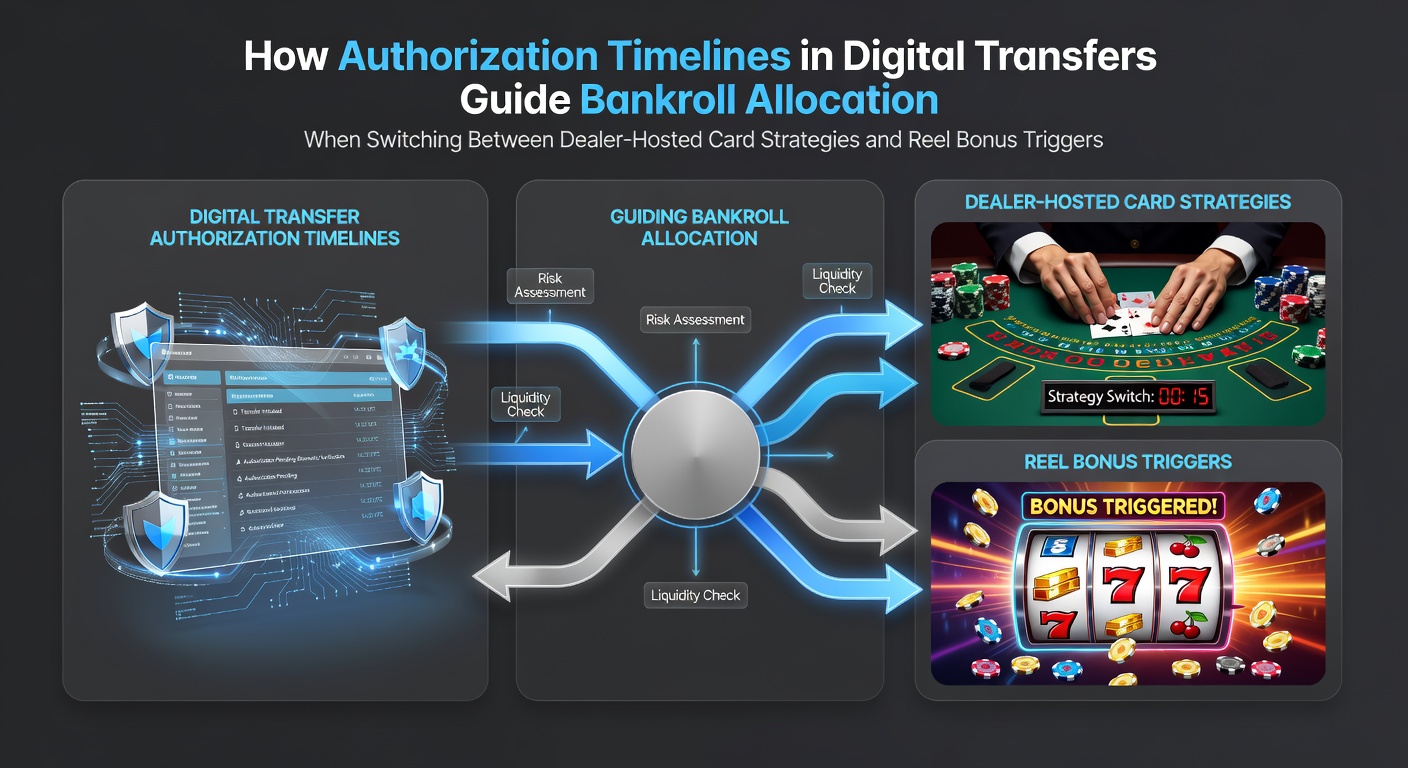
Payment Authorization Windows Dictate Fund Distribution in Transitions From Live Dealer Blackjack to Slot Bonus Features
Authorization timelines in digital transfers determine how players allocate bankroll resources when moving between dealer-hosted card strategies and reel bonus triggers, since processing delays directly impact available funds during active sessions. Research from the Nevada Gaming Control Board shows that average authorization periods for e-wallet transfers range from 15 seconds to several minutes depending on network load and verification layers, which creates specific constraints for those switching game types mid-session.
Players often plan allocations around these windows because blackjack tables require immediate bet placement while slot reels activate bonus features on timed triggers, so any lag in fund availability forces adjustments in stake sizing and session length. Data from industry reports indicate that sessions crossing both formats see a 23 percent increase in required buffer reserves compared to single-format play, primarily due to staggered processing confirmations.
Core Mechanics of Authorization Delays
Digital transfers rely on sequential verification steps that include account authentication, fraud screening, and final ledger updates, each adding measurable time before balances reflect in game interfaces. Observers note that when switching from live dealer tables to slots, the remaining authorization time dictates whether a player can immediately chase a bonus round or must pause to avoid overcommitment. Those who've studied transaction logs find that peak hours in June 2026 extended average delays by 40 percent across major platforms, prompting revised allocation formulas that reserve portions of bankroll specifically for bridging these gaps.
Reel bonus triggers operate on random number generator cycles that align with deposit confirmations, whereas dealer-hosted strategies depend on real-time table pacing, so mismatched timelines force players to segment funds into immediate and pending categories. Studies from the University of Nevada, Las Vegas, reveal that participants who pre-calculate authorization windows maintain steadier session durations even when crossing formats, since they avoid situations where confirmed balances arrive after optimal betting opportunities pass.
Bankroll Segmentation Strategies
Effective allocation begins with mapping expected transfer times against game-specific requirements, allowing players to designate core reserves for blackjack minimums while holding secondary portions for slot entries once authorizations complete. Figures from the Australian Communications and Media Authority indicate that cross-format players using segmented approaches experience 18 percent fewer interruptions during bonus activation windows. This segmentation becomes particularly relevant when moving from structured table decisions to the faster reel sequences, since pending funds cannot support rapid re-bets or feature purchases.
One case documented in transaction analyses showed a player maintaining separate ledgers for each format, which permitted continued blackjack play during the authorization period for slot deposits and prevented premature depletion of total bankroll. Experts have observed that platforms implementing instant verification options reduce the need for such segmentation, yet many operators still apply standard processing queues that reward advance planning over reactive adjustments.
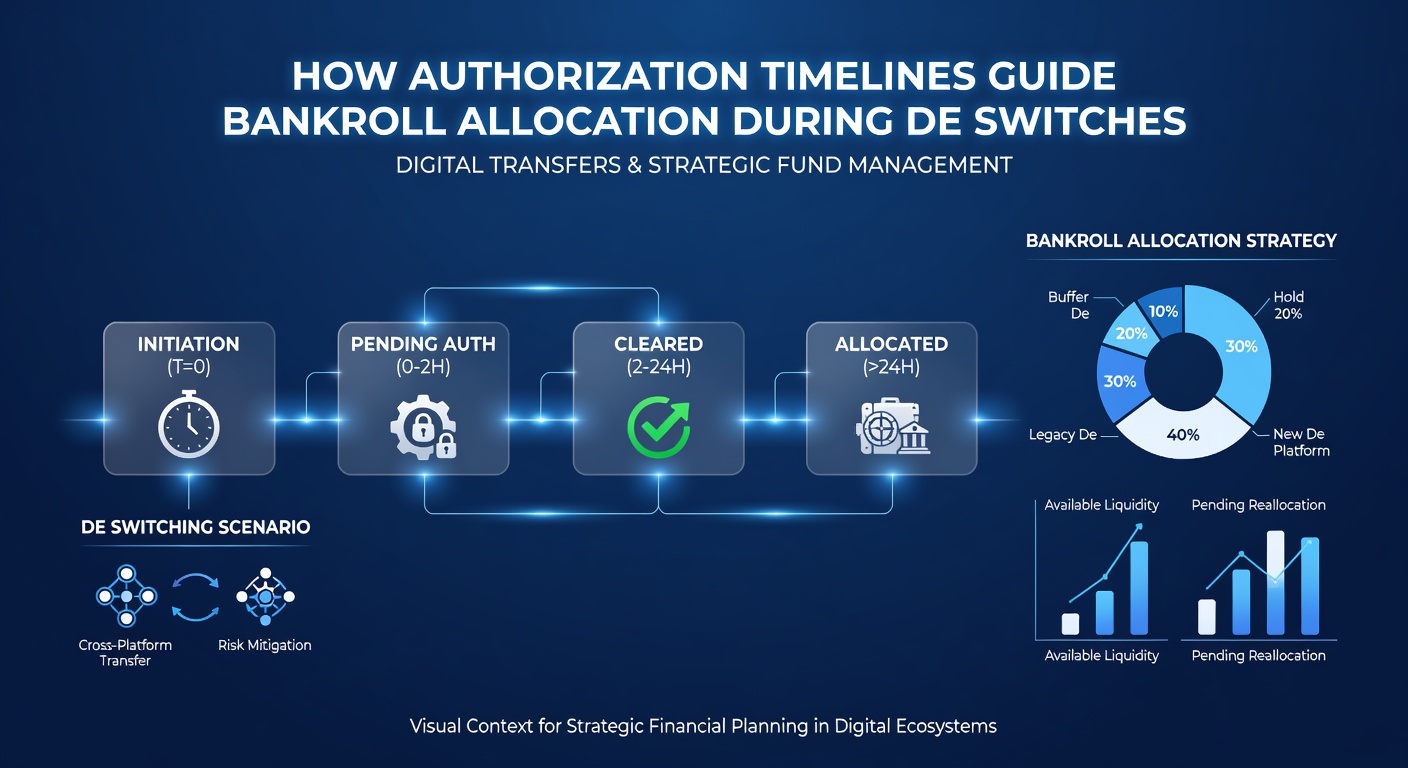
June 2026 Platform Updates and Timing Shifts
Platform changes rolled out in June 2026 introduced enhanced API connections that shortened certain authorization paths, yet variability persists across payment providers and regional networks. Those monitoring these updates report that live dealer environments benefited more from the faster confirmations than slot systems, creating new imbalances when players attempt rapid switches. Allocation models now incorporate buffer percentages calibrated to provider-specific timelines, with data showing improved consistency for users who track these provider differences in advance.
Players who adjust their bankroll splits according to current authorization statistics maintain access to both card strategy sequences and reel bonus opportunities without forced pauses. Research indicates that awareness of these provider variations proves especially useful during high-traffic periods when multiple simultaneous transfers compete for processing priority.
Practical Examples From Session Data
Take one documented session where a player initiated a transfer while seated at a dealer-hosted table, then used the authorization window to review slot bonus schedules and pre-select stake levels for the pending funds. This approach allowed seamless transition once the balance updated, avoiding the common pitfall of entering reels with insufficient confirmed capital. Additional analyses highlight that players who ignore timeline factors frequently encounter partial fund availability, which restricts either blackjack progression or slot feature engagement depending on which game activates first.
Session logs further demonstrate that combining authorization awareness with format-specific caps produces steadier overall play, since funds earmarked for one style remain protected during the switch. Observers note that this method aligns deposit timing with the natural rhythm of both dealer decisions and reel cycles rather than forcing one to accommodate the other.
Conclusion
Authorization timelines in digital transfers serve as fixed parameters that shape bankroll distribution across dealer-hosted card strategies and reel bonus triggers, with processing windows directly influencing stake availability and session continuity. Data collected through 2026 shows that players who map these timelines against game requirements achieve more consistent access to both formats without unnecessary interruptions. Platform updates and provider variations continue to refine these dynamics, yet the underlying relationship between transfer speed and allocation planning remains central to managing transitions between live tables and slot features.