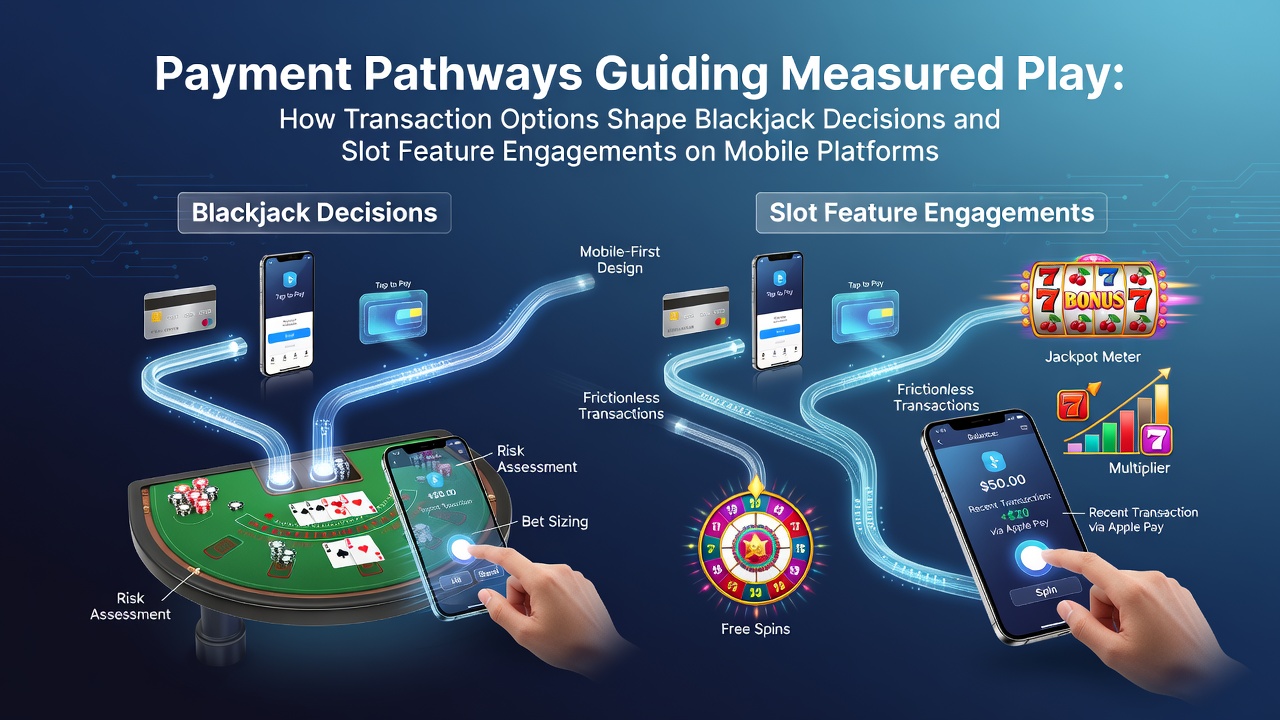
Payment Pathways Guiding Measured Play: How Transaction Options Shape Blackjack Decisions and Slot Feature Engagements on Mobile Platforms
Payment methods available on mobile platforms continue to influence how players approach blackjack hands and slot bonus rounds, with transaction speed, limits, and verification steps playing direct roles in session pacing; data from regulatory reports in multiple jurisdictions show that options such as instant bank transfers, digital wallets, and prepaid cards correlate with measurable differences in bet sizing and feature activation rates throughout 2025 and into June 2026.
Transaction Speed and Decision Timing on Mobile Tables
Instant deposit systems allow players to replenish balances within seconds, which researchers tracking mobile blackjack sessions have linked to shorter intervals between hands and a tendency toward maintaining higher average wagers once play resumes; in contrast, methods requiring additional confirmation steps often extend pauses that coincide with more deliberate strategy adjustments, including splits and doubles.
Figures compiled by the Nevada Gaming Control Board indicate that platforms supporting one-click e-wallet top-ups recorded elevated volumes of side-bet placements during live dealer blackjack streams, while slower card-based reloads aligned with steadier adherence to basic strategy charts over extended periods.
Slot Feature Triggers Shaped by Funding Methods
Slot engagement patterns shift noticeably when payment pathways impose daily or per-transaction caps, as users frequently adjust their stake levels to remain within those boundaries and thereby preserve eligibility for progressive jackpot contributions or multi-level bonus wheels; mobile data logs from major operators reveal that prepaid voucher systems, which often carry fixed denominations, produce higher frequencies of feature buys compared with flexible bank-linked accounts.
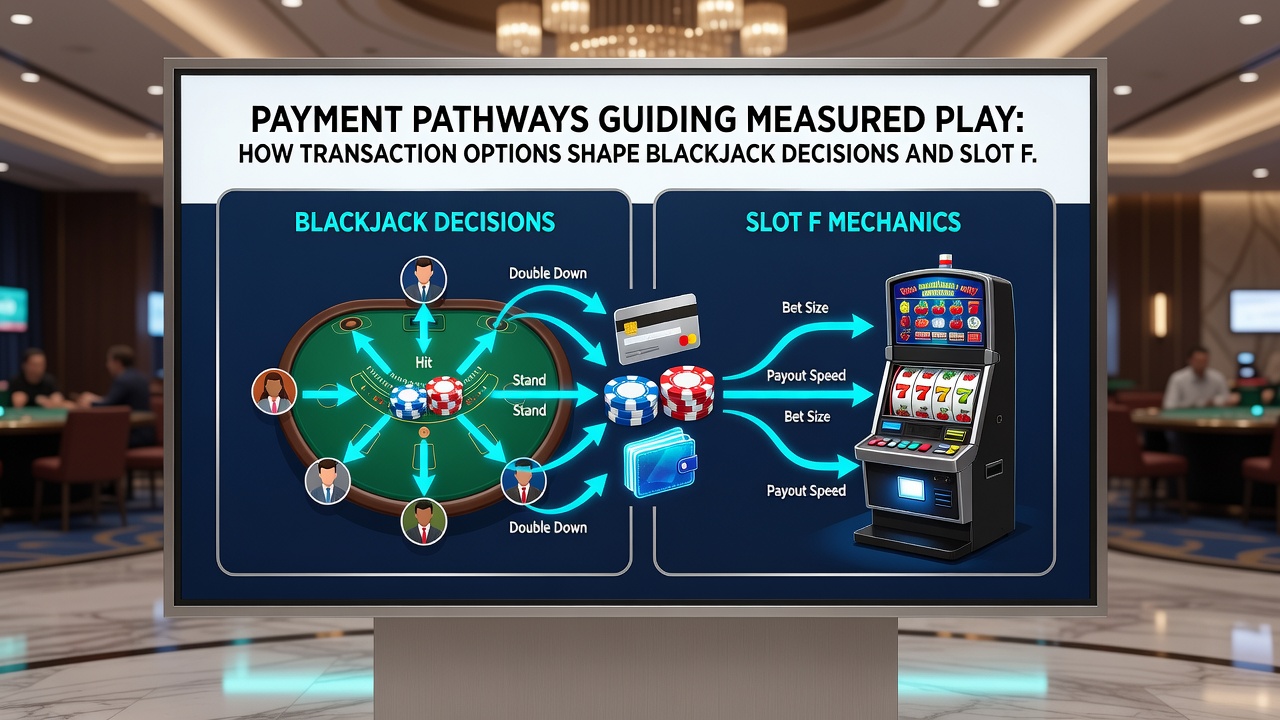
One longitudinal study conducted across Canadian provincial markets found that players using cryptocurrency options triggered free-spin features at rates approximately 12 percent above those observed with traditional card deposits, a difference attributed to reduced friction during rapid re-deposits that keep reels spinning without interruption.
Regional Regulatory Influences on Payment Choices
Frameworks established by bodies such as the Australian Communications and Media Authority and various European national gaming authorities have standardized disclosure requirements around deposit limits and processing times, which in turn affect how mobile users plan their bankrolls before entering either blackjack or slot environments; these rules encourage platforms to surface real-time balance projections that help players calibrate session length and feature pursuit intensity.
Academic analyses published through institutions including the University of Nevada, Las Vegas, demonstrate that transparent fee structures attached to certain payment rails lead to more conservative bet spreads in blackjack, whereas zero-fee instant options correlate with extended play windows and greater exploration of high-volatility slot mechanics.
Integration of Safeguards Within Payment Flows
Many mobile operators now embed spending trackers directly into the deposit interface, displaying projected session costs alongside available payment choices; this integration has been associated with voluntary reductions in average stake amounts when users select methods that highlight cumulative totals in real time.
Evidence gathered from North American and Asian markets shows that platforms prompting confirmation of pre-set loss limits before processing a transaction experience lower rates of rapid-fire feature activations on slots and more consistent adherence to table minimums during blackjack rounds.
Emerging Patterns Observed in June 2026
As biometric verification becomes standard for high-value mobile transfers, initial session data from the first half of 2026 suggests that the added authentication layer introduces micro-pauses that operators report coincide with increased use of strategy tools in blackjack and more selective triggering of paid bonus rounds in slots; these frictions appear to moderate overall engagement volume while preserving play duration.
Conclusion
Payment pathway design continues to intersect with player behavior across mobile blackjack and slot offerings, as transaction characteristics such as processing time, fee visibility, and limit integration shape both hand-by-hand choices and feature engagement decisions; ongoing data collection from diverse regulatory regions will further clarify these relationships as platforms refine their systems through the remainder of 2026.