
UK Gambling Commission Data Reveals £680m Slot and Fruit Machine Yield in Summer 2025, with 1.9 Million Adults Spinning in Pubs and Beyond
Recent figures from the UK Gambling Commission paint a clear picture of fruit and slot machine activity across Great Britain during July to September 2025, a period when Gross Gambling Yield (GGY) from these machines in gambling premises climbed to £680 million; at the same time, the Gambling Survey for Great Britain (GSGB) Wave 3 estimates that 1.9 million adults engaged with fruit and slot machines over the past four weeks, underscoring a robust participation rate even as industry data misses certain venues.
Unpacking the Quarterly Industry Statistics
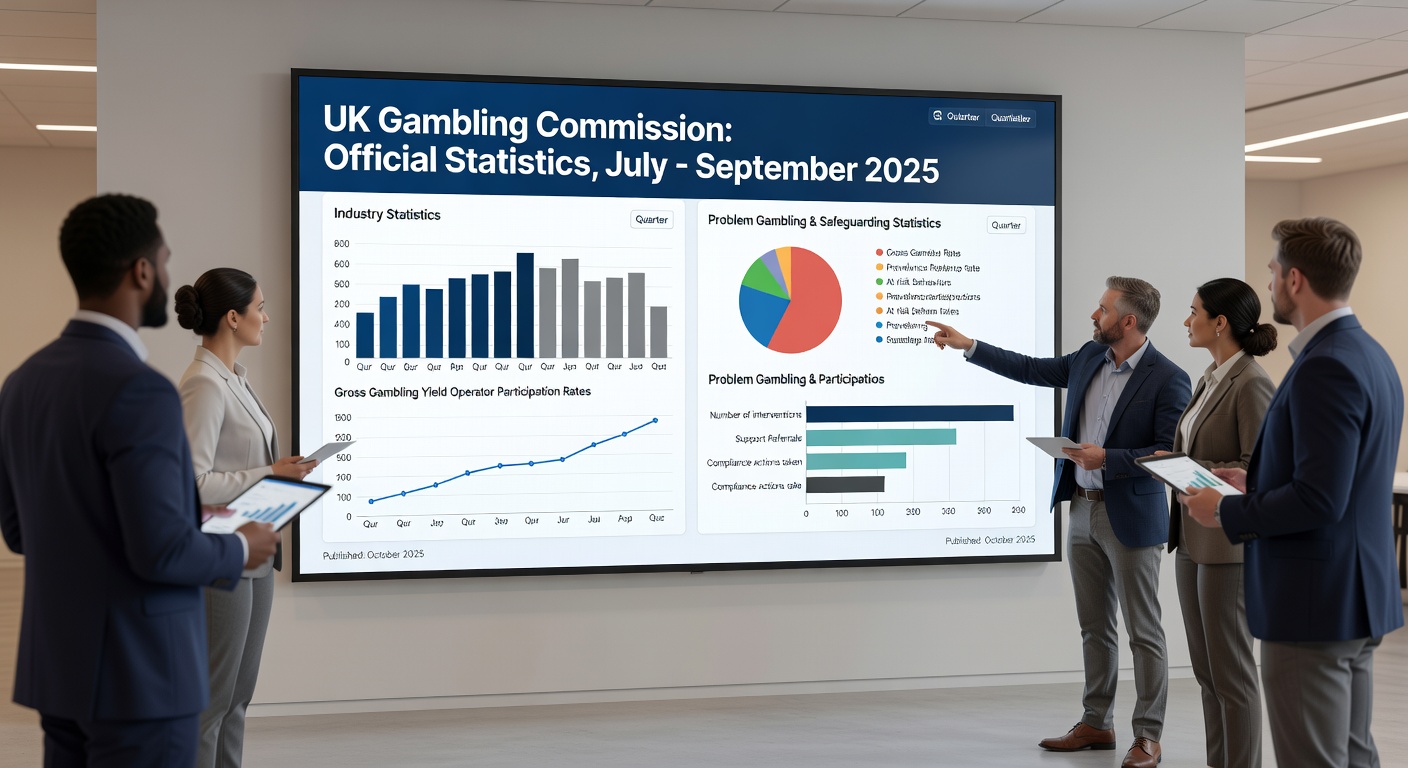
The quarterly industry statistics, part of the financial year from April 2025 to March 2026's second quarter, capture GGY specifically from fruit machines and slots located in licensed gambling premises such as casinos, arcades, and bingo halls; this measure, which calculates total stakes minus winnings returned to players, hit that substantial £680 million mark for the three-month stretch ending in September 2025, reflecting steady revenue generation in controlled environments where operators report directly to regulators.
What's interesting here is how these numbers align with seasonal patterns observers have tracked over years, since summer months often see upticks in foot traffic to such venues; data indicates that while online gambling grabs headlines, physical machines in premises continue to hold their ground, contributing meaningfully to the broader industry landscape without the volatility of digital platforms.
GSGB Wave 3: Participation Numbers Take Center Stage
Complementing the industry stats, Wave 3 of the GSGB provides a population-level view through its survey methodology, estimating 1.9 million adults in Great Britain played fruit or slot machines within the four weeks prior to data collection; this figure emerges from a representative sample designed to reflect the adult population aged 16 and over, offering insights that industry returns alone can't match because they focus narrowly on licensed premises.
And yet, the survey reveals nuances in how people access these games, with 44% of those 1.9 million participants reporting play in bars, clubs, and pubs, locations where machines exist under different regulatory oversight and thus fall outside the standard GGY reporting for gambling premises; turns out, this gap highlights why survey data proves essential, filling in behaviors that financial metrics overlook.
Venue Breakdown: Pubs and Clubs Emerge as Key Players
That 44% figure for bars, clubs, and pubs stands out because it points to the social fabric of machine gambling in the UK, where folks often combine a casual drink with a quick spin rather than heading to dedicated arcades; researchers who've analyzed GSGB waves note how these settings, equipped with lower-stake machines compliant with venue-specific limits, attract a different crowd, one that's more recreational and less high-rolling than casino-goers.
Industry data, captured in the Industry Statistics Quarterly Report for FY April 2025 to March 2026 Q2, sticks to premises GGY at £680 million, but it doesn't tally yields from pub machines, which operate under adult gaming centre rules or alcohol-licensed premises exemptions; as a result, the full economic picture requires layering survey estimates atop financial reports, a practice the Commission promotes to give stakeholders complete visibility.
How These Publications Fit into the Bigger Monitoring Framework
Published in February 2026, these twin releases—the quarterly stats and GSGB Wave 3—arrive as the financial year progresses toward its March endpoint, allowing regulators, operators, and policymakers to assess trends mid-cycle; for instance, the £680 million GGY suggests resilience in physical slots despite ongoing shifts toward online alternatives, while the 1.9 million player estimate signals sustained interest among adults, particularly in hybrid social spots like pubs where 44% of recent play occurs.
Experts who track these releases point out that GSGB's weighted methodology adjusts for demographics, ensuring the 1.9 million reflects true prevalence rather than raw responses; similarly, GGY calculations standardize across operators, making that £680 million a reliable benchmark for premises performance during a typically lively summer quarter, when holidays and warmer weather boost arcade visits.
But here's the thing: the disconnect between industry-captured GGY and survey-noted pub play underscores ongoing debates about data completeness, since bars and clubs host machines that generate revenue yet evade premises reporting; observers familiar with prior waves have seen this pattern repeat, with social venues consistently drawing nearly half of participants, a trend the latest data reinforces without deviation.
Demographic Insights from the GSGB Estimates
Diving deeper into Wave 3, the survey captures not just totals but hints at who these 1.9 million adults are, though specifics await fuller breakdowns; past waves show patterns where men outpace women in machine play, and younger adults (18-34) favor pubs, aligning with that 44% venue share that emphasizes accessibility over immersion.
People who've studied GSGB evolution note how participation holds steady around these levels quarter to quarter, with summer estimates like this one often edging higher due to leisure time; coupled with the £680 million yield, it paints a sector that's active and economically potent, even as premises data spotlights formal channels while surveys illuminate the everyday spin in local haunts.
Regulatory Context and Data Reliability
The UK Gambling Commission mandates these reports to maintain transparency, with quarterly stats drawing from operator submissions verified through audits, ensuring the £680 million figure withstands scrutiny; GSGB, meanwhile, employs robust sampling—over 10,000 respondents per wave typically—to derive that 1.9 million estimate, complete with confidence intervals that affirm its precision for national trends.
So as March 2026 unfolds, with the financial year wrapping soon, these July-September figures serve as a midpoint check, revealing how fruit and slot machines sustain £680 million in premises yield alongside widespread adult engagement; the 44% pub play rate, in particular, reminds stakeholders that regulation must span both glittering arcades and neighborhood bars, where the action hums quietly but persistently.
Take one case from prior data: similar summer quarters showed comparable GGY climbs, paired with steady survey participation, suggesting these 2025 numbers fit established rhythms rather than bucking them; that's where the rubber meets teh road for analysts piecing together the full gambling ecosystem.
Implications for Operators and Venues
For arcade and casino operators, the £680 million GGY signals healthy returns from fruit and slots, machines that blend nostalgia with modern features like progressive jackpots; pubs, though not in those stats, benefit from the 44% play share, drawing regulars who wager modestly while socializing, a model that's endured regulatory tweaks over decades.
And while industry data quantifies revenue, GSGB's 1.9 million players highlight market size, informing everything from machine placements to compliance training; it's noteworthy that this dual-data approach, refreshed quarterly, keeps the sector accountable, especially as February 2026's release lands amid preparations for the year's final quarter.
Conclusion
In summary, the UK Gambling Commission's February 2026 publications spotlight a vibrant period for fruit and slot machines, with £680 million GGY from premises underscoring financial strength and GSGB Wave 3's 1.9 million adult players—44% in pubs—revealing broad participation; together, these stats bridge gaps between regulated yields and everyday play, offering a factual lens on a corner of gambling that's as traditional as it is tenacious, even into March 2026's closing fiscal moments.
Those monitoring the beat know this data doesn't just tally numbers; it maps behaviors, venues, and values in a landscape where slots spin on, from neon-lit halls to corner pubs alike.